The Role of Phytoplankton in a Changing Planet
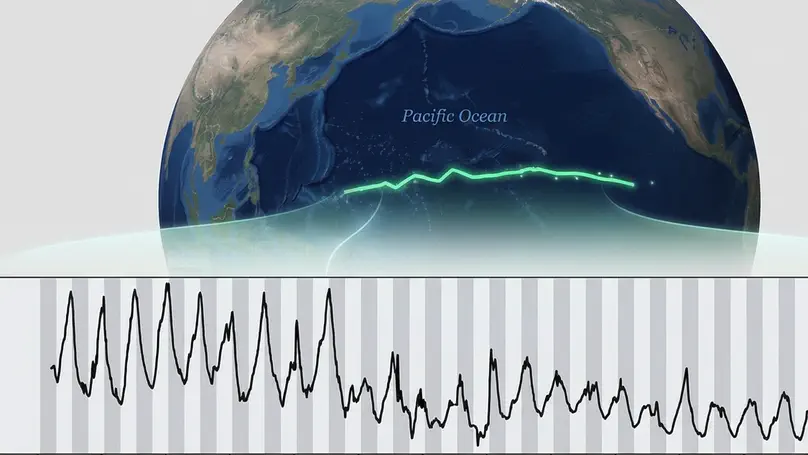
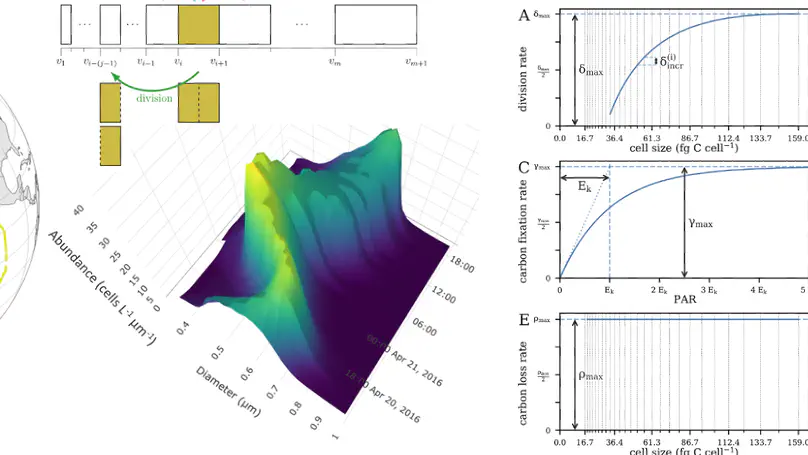
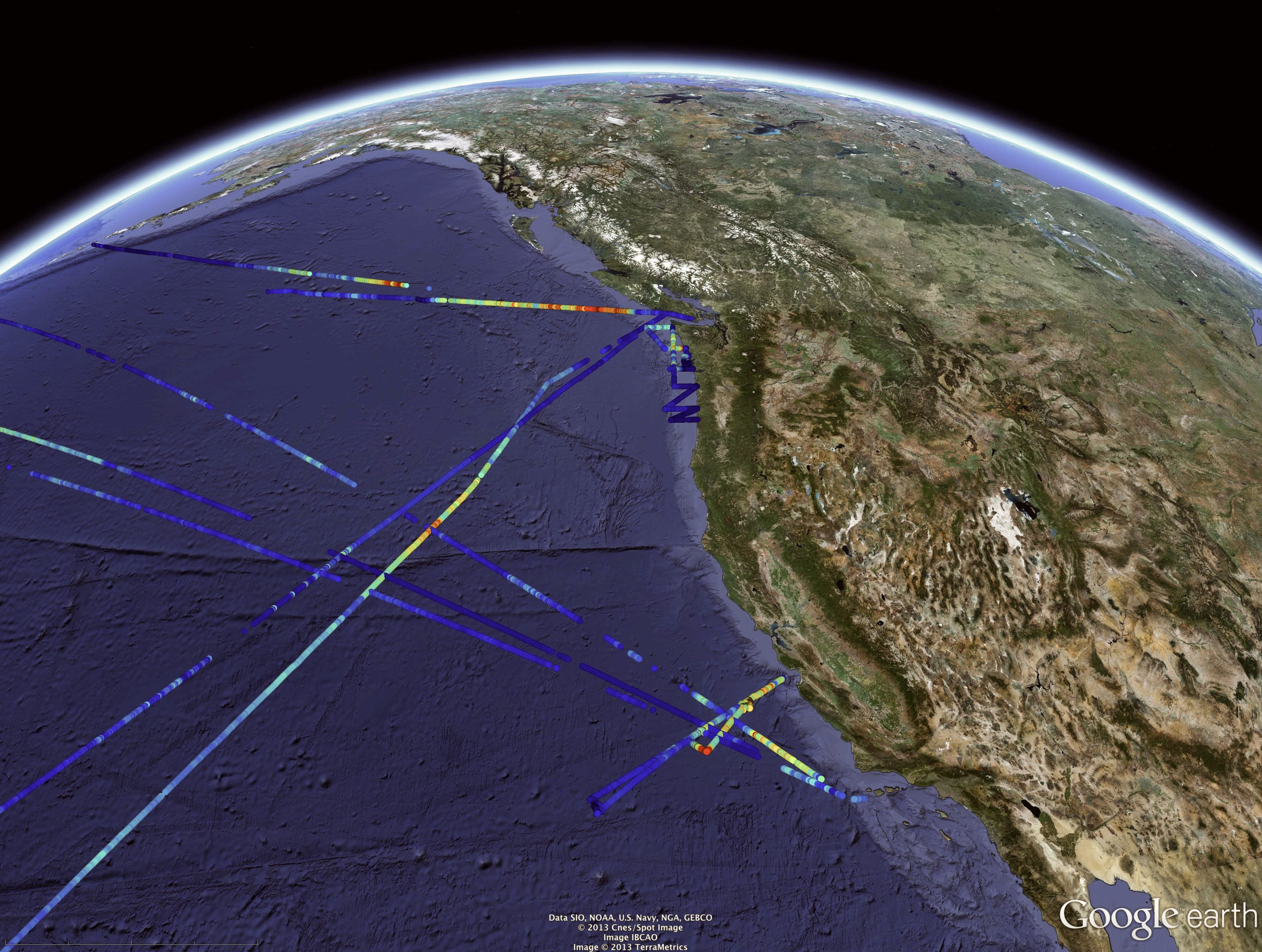
My research focuses on understanding how phytoplankton grow, survive, and shape marine ecosystems. These microscopic organisms are responsible for a large fraction of the ocean’s carbon uptake, yet we still know little about what controls their populations in the ocean. My lab deploys shipboard flow cytometers, called SeaFlow, to measure the optical properties of individual cells across thousands of miles of ocean, and combines these observations with mathematical and statistical models to quantify their growth and survival. By linking these processes to environmental conditions, we aim to understand how marine ecosystems function today and how they will respond to future ocean change.